
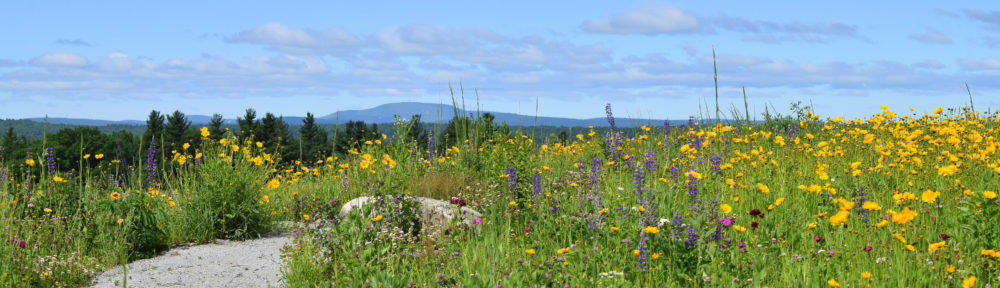
Now, he is making sure future generations can enjoy the same.
Len was drawn to Groton for its access to beautiful open spaces.
Bennett has long been an outdoor enthusiast. A swimmer, he spent his lunchtime in White Pond near his office at Sperry Rand; a runner, he has done “a handful of marathons”; a hiker, he traversed the Appalachian Trail three times until he finally finished it in one go; an all-around athlete, he also completed two ironman triathlons.
So, when it came time to take his required minimum distribution from his IRA, Bennett decided he would rather direct the funds as a Qualified Charitable Distribution to benefit Groton’s open spaces. “It’s an encouraging way the government lets you give back while reducing your tax burden,” said Bennett. He made contributions to both the Groton Conservation Trust (GCT) and the Groton Trails Committee (GTC) specifically for projects that will provide opportunities for everyone to enjoy Groton’s open spaces as he has.
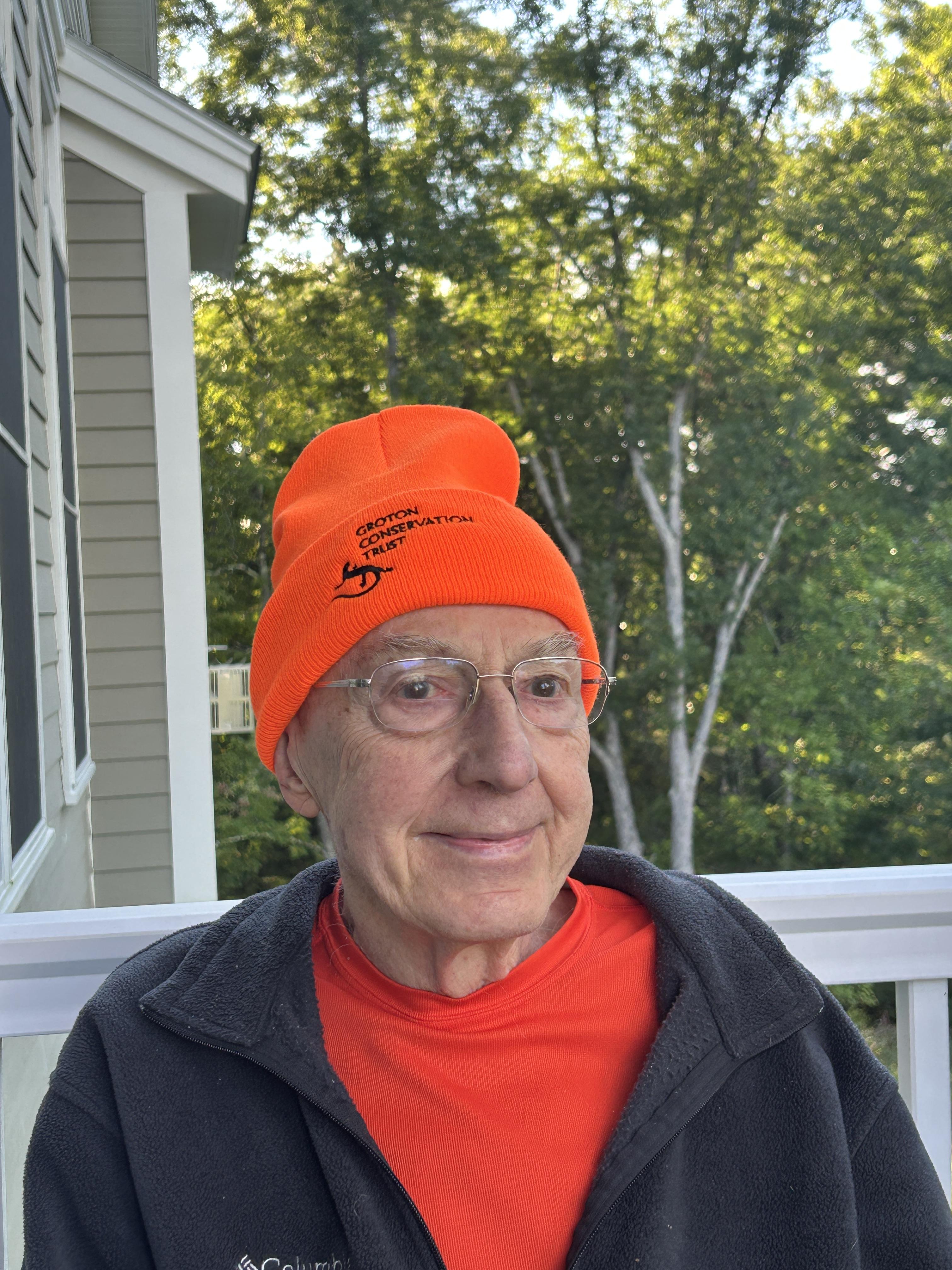
“The Groton Trails Committee has not had an operating budget provided by the Town of Groton and we have relied almost entirely on donations from the annual Groton Town Forest Trail Races since 1998 to pay our expenses” said GTC Chairman Paul Funch. “Other smaller donations of cash, equipment, and materials have also been received over the years. Plus, in 2024, the GTC received $7,500 of earmark funds from the MA Legislature obtained through the Destination Groton Committee. But this generous gift from Len Bennett will support the GTC for many years to come, and it eliminates our need to request an operating budget from the Town,”
The Groton Conservation Trust is a private land trust, relying on donations for its operating expenses. “This amazing donation from Len will help accelerate projects on GCT land to encourage access that we would have had to otherwise plan over time with our limited operating budget. These are critical projects like bridge repairs, parking lot enhancements, and land maintenance,” said Susan Hughes, president of the GCT.
Both gifts underscore Bennett’s love for the outdoors. “I think these organizations do an amazing service for Groton,” said Bennett.
In his 70’s, Bennett was a part of two walking clubs, the Wednesday Wanderers and the Monday Meanderers, clubs to encourage older citizens to take up hiking to keep active. Now in his 80’s, Bennett appreciates his access to the outdoors even more. A recent fall sidelined his hiking, but he uses the nearby Shepley Hills area as part of his rehab. “I was able to walk along the rail trail and back through Shepley,” he said with a smile.
He looks forward to a hike with Funch on a new trail honoring him on the C.L. Bennett Conservation Area in west Groton. The property was donated by Bennett to the Groton Conservation Commission in 2024 in appreciation for the Groton Trails Network and Groton’s extensive conservation lands that provide so much enjoyment to so many.
For more information on making Qualified Charitable Distributions from IRAs and other types of planned giving, visit the GCT website and talk to your financial advisor.